Benign Conditions
Contact Us
What are benign conditions?
A benign condition can be a noncancerous inflammatory change in the body or a noncancerous growth, such as a tumor or cyst, that typically grows slowly and does not spread to other parts of the body. Even though they are not cancerous, they can cause symptoms or health problems if they become large or press on nearby organs or tissues. Doctors may monitor or treat them depending on their size, location, or potential to change over time.
FCS offers radiation therapy for the following benign conditions:
- Ostteoarthritis
- Dupuytren’s contracture
- Gynecomastia
- Heterotopic ossification
- Keloids
- Orbital pseudotumor
- Plantar fasciitis
What is low-dose radiotherapy (LDRT)?
Radiation therapy, specifically low-dose radiotherapy (LDRT) is an effective treatment for a growing number of benign conditions. Non-invasive and with minimal side effects, radiation therapy can reduce pain, enhance quality of life, and offer long-term relief compared to ongoing medication. This approach is considered medically necessary when other medical or surgical treatments have not worked, cannot be tolerated, or are not safe for the patient.
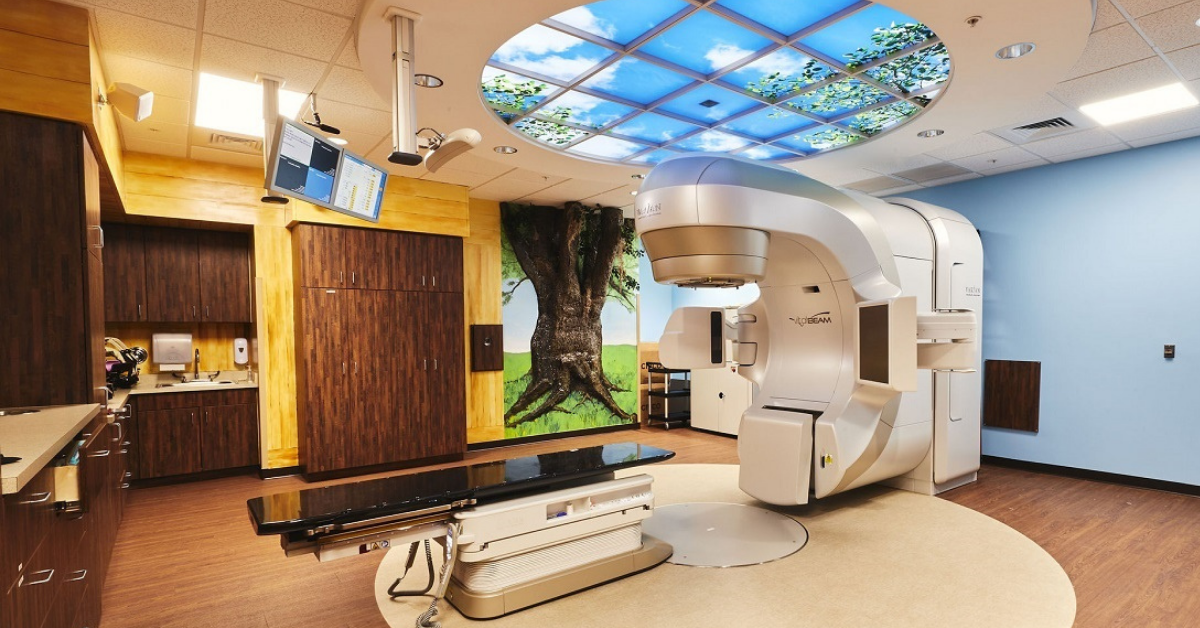
Radiation treatments are delivered in our outpatient clinic by board-certified radiation oncologists. Patients are usually seen within three business days of referral. A typical course of LDRT consists of six treatments over a two-to-three-week period. The actual radiation exposure time is very brief, around 15 seconds. These shorter courses of therapy offer patients greater convenience and minimal disruption to daily life. We work closely with referring physicians to track progress and ensure the best outcomes.
How does LDRT help treat benign conditions?
How LDRT Helps:
- Calms inflammation: Gently reduces swelling and irritation in joints.
- Eases pain: Helps make everyday movement more comfortable.
- Supports healing: May encourage tissue repair and help protect cartilage for long-term joint health.
What are the benefits of low-dose radiotherapy (LDRT)?
Benefits of LDRT:
- Minimal side effects
- Non-invasive: Painless and does not require hospitalization or anesthesia
- Improved mobility: Reduced pain allows for increased movement, enhancing overall quality of life
- Cost-effective treatment: Compared to ongoing costs associated with medications and physical therapy, LDRT can provide long-term relief with fewer financial burdens.
What is osteoarthritis?
A degenerative joint disease that occurs when the protective cartilage within a joint breaks down, causing pain, stiffness, and reduced range of motion. It’s the most common type of arthritis and primarily affects weight-bearing joints like the knees, hips, and spine. While there’s no cure, treatments can help manage symptoms and improve quality of life.
Back to Top
What is Dupuytren’s contracture?
A condition where the tissue under the skin of the palm thickens and contracts, causing the fingers to bend toward the palm. While it’s not always painful, it can significantly impact hand function and quality of life.
Back to Top
What is gynecomastia?
Characterized by an increase in breast tissue in males, which can range from a slightly enlarged nipple area to more significant breast development.
Back to Top
What is heterotopic ossification?
The formation of bone in soft tissues where bone typically doesn’t exist, such as muscles, tendons, or ligaments. Frequently develops after injuries like fractures, dislocations, or surgery particularly hip and knee replacements.
Back to Top
What are keloids?
Raised, thickened scars that form when the skin overgrows with scar tissue after an injury. The overgrowth of scar tissue is due to the excessive production of collagen by the body during the wound healing process.
Back to Top
What is orbital pseudotumor?
Also known as idiopathic orbital inflammation or orbital inflammatory syndrome, it is a benign, non-infectious inflammation of the tissues surrounding the eye (the orbit).
Back to Top
What is plantar fasciitis?
A common condition causing heel and arch pain due to inflammation of the plantar fascia, a thick band of tissue on the bottom of the foot.
Back to Top