Managing Sleep Troubles
 Quick summary
Sleep trouble affects 30 to 50% of cancer patients — far above the general population. FCS Behavioral Health treats it without medication.
30–50%
of cancer patients report sleep trouble
23–44%
still affected 2–5 years after treatment
✦ Did you know?
Only about 15% of the general population reports sleep problems — meaning cancer patients are affected at up to three times the rate.
 Warning signs
- • Difficulty falling asleep
- • Multiple awakenings during the night
- • Early morning waking with inability to return to sleep
- • Daytime fatigue, memory or concentration problems
- • Mood disturbances or excessive worrying at bedtime
 FCS Behavioral Health Services
Mental Health Matters: Managing Sleep Troubles
Sleeping trouble is a frequent problem for patients with cancer. Several recent studies have reported an incidence of 30 to 50% in this group, compared to 15% in the general population. In addition, symptoms of sleep problems were found in 23 to 44% of patients two to five years after treatment for cancer.
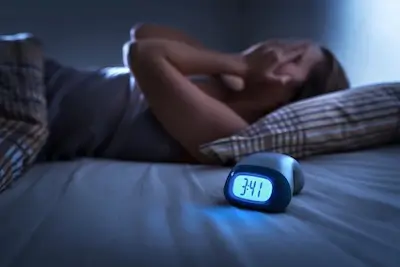
Sleep problems include difficulty falling asleep, multiple awakenings during the night or early morning awakenings with the inability to get back to sleep. Lack of quality sleep affects the quality of life. Poor sleep can lead to fatigue, memory and concentration problems, mood disturbances and psychiatric disorders.
Contributing factors for sleep issues include certain medications, hospitalization, chemo, radiation or hormonal therapy, as well as pain, hot flashes, nausea and vomiting and excessive worrying. Factors that are easily adjusted may include an irregular sleep schedule, excessive amount of time spent in bed, napping, engaging in sleep interfering activities in the bedroom and unrealistic sleep expectations.
The underlying causes of sleep problems such as pain, nausea, hot flashes and physical reactions to cancer treatment should be addressed first. If the sleep problems persist, patients can be treated with a combination of pharmacologic and non-pharmacological therapy. As part of the FCS health care team, Behavioral Health focuses on the non-pharmacological approaches to sleep disturbance.
A combination of the following treatments and techniques used by Behavioral Health may offer the best results:
- stimulus control
- sleep restriction procedures
- relaxation techniques
- cognitive therapy
- breathing techniques
- cognitive shuffling
- sleep hygiene education
If you experience sleep problems, FCS Behavioral Health may be an option. FCS Behavioral Health therapists are licensed clinical social workers who provide telehealth therapy for FCS patients. Talk with your doctor or call (855) 327-6112 to schedule telehealth therapy. Learn more about Behavioral Health services for FCS patients: FCS Behavioral Health Services