Understanding Skin Cancer and the Role of Radiation Therapy
 Quick summary
Many non-melanoma skin cancers can be treated without surgery. Radiation therapy is a non-invasive option that preserves function and appearance.
5M+
cases diagnosed yearly
#1
most common U.S. cancer
Modern radiation therapy can provide excellent cure rates while preserving function and cosmetic appearance.

 Warning signs
- • A new or changing mole
- • A sore that won’t heal
- • A growth that bleeds or crusts
✦ Did you know?
The FDA just approved bemotrizinol — the first new sunscreen ingredient in over 25 years.
 ACS: skin cancer research
Understanding Skin Cancer and the Role of Radiation Therapy
Skin cancer is the most common cancer in the United States. According to the American Cancer Society, more than 5 million cases are diagnosed each year. While many skin cancers are highly treatable when detected early, understanding available treatment options is an important part of the care journey.
Most skin cancers are linked to cumulative exposure to ultraviolet (UV) radiation from the sun or indoor tanning devices. The most common types include basal cell carcinoma, squamous cell carcinoma and melanoma. Although these cancers differ in how they develop and spread, early diagnosis and treatment are critical.
At Florida Cancer Specialists & Research Institute (FCS), patients have access to comprehensive cancer care, including medical oncology and radiation oncology services delivered close to home.
Recognizing the Signs of Skin Cancer
Skin cancer often develops in areas that receive frequent sun exposure, including the face, ears, scalp, neck, arms and hands. Common warning signs include:
- A new or changing mole
- A sore that does not heal
- A rough or scaly patch of skin
- A growth that bleeds or crusts
- A spot that changes in size, shape or color
Any concerning skin changes should be evaluated by a physician.
Treatment Options for Skin Cancer
Treatment recommendations depend on the type of skin cancer, its size, location and whether it has spread beyond the skin.
Many skin cancers are treated surgically. Other treatment options may include immunotherapy, targeted therapy, chemotherapy or radiation therapy. At FCS, patients have access to coordinated care across multiple specialties to help determine the most appropriate treatment approach.
The Role of Radiation Therapy
Radiation therapy is an important treatment option for certain skin cancers. It uses targeted radiation to destroy cancer cells while limiting exposure to nearby healthy tissue.
For some patients, radiation therapy may be used as the primary treatment, particularly when a tumor is located in a sensitive area such as the nose, ears, eyelids, lips or scalp, where surgery could affect appearance or function. It may also be recommended for patients who are not candidates for surgery because of age, medical conditions or other factors.
Radiation therapy can also be used after surgery to help reduce the risk of recurrence when certain high-risk features are present.
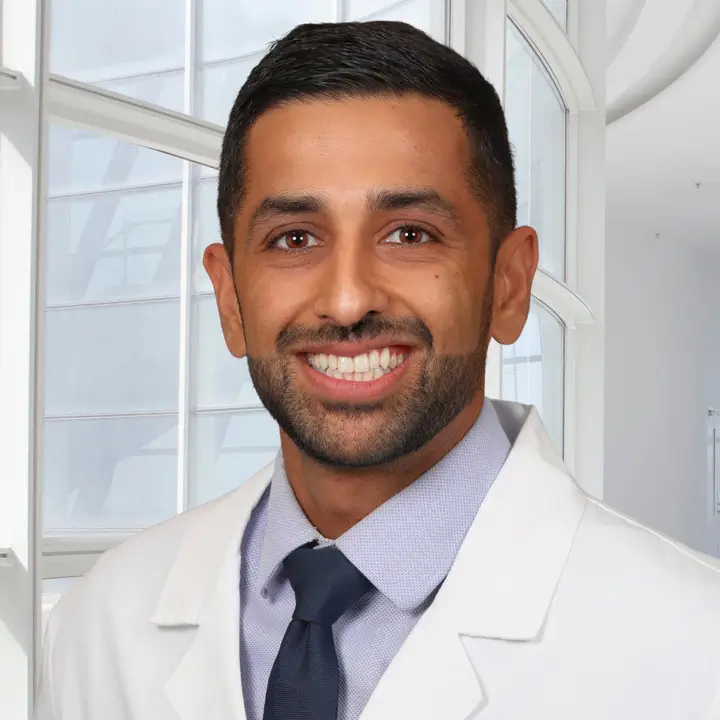
Nirav V. Patel, radiation oncologist with FCS, notes that many patients are surprised to learn that non-melanoma skin cancer can often be treated without surgery. “Modern radiation therapy is a highly effective, non-invasive option that can provide excellent cure rates while preserving function and cosmetic appearance,” says Dr. Patel.
At FCS, radiation oncologists use advanced treatment to target cancer while minimizing radiation exposure to surrounding healthy tissue. Working closely with referring physicians and other members of the cancer care team, our radiation oncologists develop individualized treatment plans based on each patient’s diagnosis, overall health and treatment goals.
Prevention and Early Detection Remain Important
While treatment options continue to advance, prevention and early detection remain essential. Limiting UV exposure, avoiding indoor tanning devices and monitoring your skin for changes can help reduce risk and support earlier diagnosis.
In a recent development, the U.S. Food and Drug Administration approved bemotrizinol, the first new sunscreen ingredient approved in more than 25 years. The ingredient provides protection against both UVA and UVB rays and is expected to expand sunscreen options available to consumers in the coming years.
While sunscreen technology continues to evolve, experts agree that regular sun protection, skin awareness and routine skin examinations remain important components of skin cancer prevention.
If skin cancer is diagnosed, understanding the available treatment options, including radiation therapy when appropriate, can help patients make informed decisions about their care.