2026 Cancer Trends
A Look at Cancer Trends in the U.S.
The American Cancer Society’s newly released annual cancer trends report takes a comprehensive look at cancer incidence, death rates, and survival and remains an essential resource driving research into cancer causes, risk factors, and life-changing treatment breakthroughs.
Report Summary
According to the report, just over 2 million new cancer cases will be diagnosed in the U.S. during 2026, averaging about 5,800 new cases daily. The projected number of cancer-related deaths for the year is 626,140. On a positive note, cancer mortality (the number of deaths from cancer) continues to decline, driven by reductions in smoking, improved treatments, and earlier detection for some cancers, reflecting decades of progress in cancer control.
Historic Survival Gains
A major milestone in the fight against cancer is that the five-year relative survival rate for all cancers combined has reached 70% for people diagnosed between 2015 and 2021, the highest level ever reported. This reflects decades of advances in early detection, prevention, and treatment.
Spotlight: Cancer in Florida (2026)
Florida has one of the largest cancer burdens among U.S. states, reflecting its large and aging population:
- The 2026 projections estimate roughly 183,100 new cancer cases in Florida, with high numbers across major cancers, including breast, prostate, lung, colorectal, and melanoma.
- Florida’s high UV exposure and substantial older adult population contribute to elevated melanoma rates relative to many other states, making skin cancer a particular concern in the region. (While not from the 2026 ACS report itself, melanoma trends in Florida have been notably higher than national averages in recent years.)
- Behavioral risk factors prevalent in the state, such as tobacco use, high body mass index, low physical activity, and dietary habits, are also key contributors to cancer risk and mortality.

Trends Among Younger Adults
While the overall mortality rate continues to decline, worrying patterns persist in certain groups:
- Younger adults (under age 50) continue to see rising incidence for several cancers, particularly colorectal cancer and some female cancers. Screening and lifestyle factors play a role, though the causes are not fully understood.
- Breast cancer and thyroid cancer remain major contributors to higher incidence among younger women in 2026, along with rising lung and cervical cancer cases in some groups, trends similar to those seen in prior years.
- Lifestyle factors such as delayed childbirth, lower breastfeeding rates, rising alcohol use, obesity, and physical inactivity contribute to increased risk. Genetics, such as BRCA mutations, also influence cancer risk in younger adults.
Racial and Ethnic Disparities Persist
Large disparities in cancer outcomes continue across racial and ethnic groups. For example:
- Alaskan and American Indian populations have some of the highest cancer mortality rates in the nation.
- Black Americans have disproportionately higher mortality rates for prostate, breast, and endometrial cancers compared to other groups and face greater barriers to early diagnosis and quality care.
- Social determinants of health, including limited access to quality healthcare, lower socioeconomic status, and insurance gaps, contribute significantly to these disparities.
Contact Us
A major milestone in the fight against cancer is that the five-year relative survival rate for all cancers combined has reached 70% for people diagnosed between 2015 and 2021, the highest level ever reported. This reflects decades of advances in early detection, prevention, and treatment
Understanding What’s Behind These Trends
The reasons for increasing rates of early-onset cancers are complex and not fully known. Contributing factors include:
- Lifestyle and reproductive factors (e.g., obesity, inactivity, alcohol use, delayed childbirth)
- Environmental exposures and dietary patterns
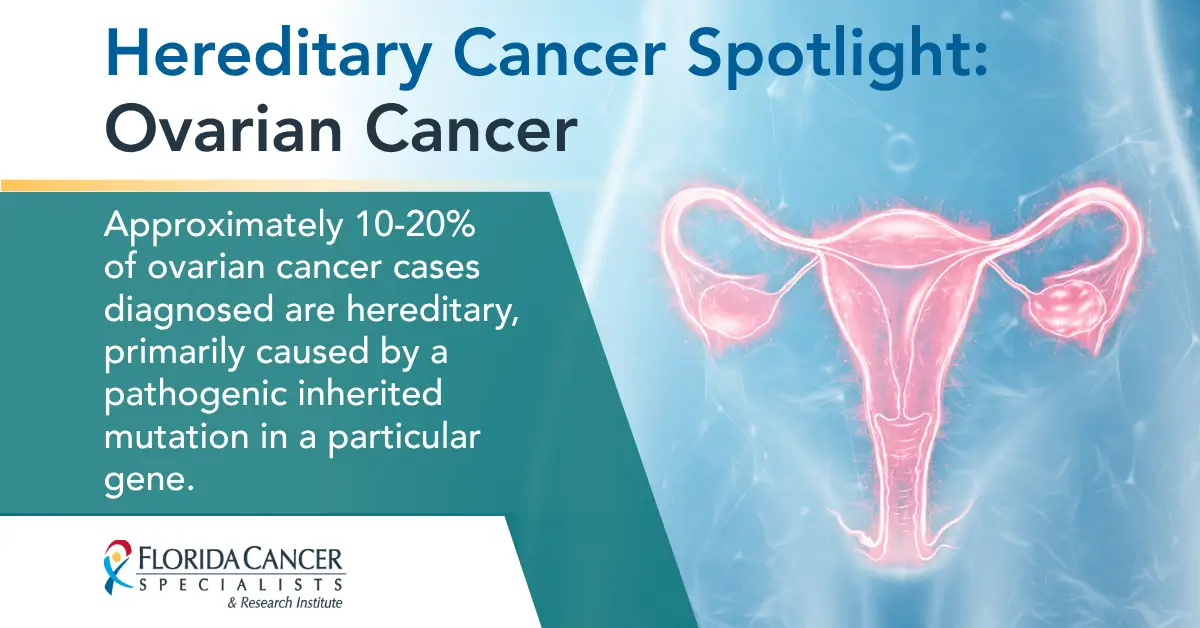
- Genetic predispositions and hereditary risk
- Screening practices and changes in diagnostic criteria
Reducing Cancer Risk
Everyone can take proactive steps to lower cancer risk and improve outcomes:
- Schedule routine wellness checkups and evidence-based screenings even if you feel healthy.
- Talk with your healthcare provider about which screenings are right for you based on your age, family history, and personal risk factors.
- Adopt a healthy lifestyle that includes physical activity, balanced nutrition, limited alcohol use, and avoiding tobacco.
Early detection through screening remains one of the most effective ways to find cancers at an early stage, when they are most treatable.