Ultra-Processed Food – Villian, Hero or Something in Between?
Ultra-Processed Food – Villian, Hero or Something in Between?
By now, you’ve probably heard that the Dietary Guidelines for Americans (DGA), 2025-2030, has been released. It has been much anticipated since this past summer, and to say that the result is creating a sense of angst in the nutrition and scientific community is an understatement. The Academy of Nutrition & Dietetics, the American Heart Association and others have issued statements of concern regarding recommendations that are in direct conflict with published research. In this newsletter, let’s discuss the target for avoiding ultra-processed foods (UPF).
Candy, ice cream, chips, and hot dogs are examples of ultra-processed foods. Intake of UPF has been linked to obesity and chronic diseases such as diabetes and heart disease. Associations between UPFs and health outcomes are often interpreted without fully adjusting for lifestyle factors, nutrient quality, or overall dietary patterns. Determining which specific factors may be responsible for the health effects is challenging.
But maybe UPF is not the villain here. Maybe the category is just misunderstood.
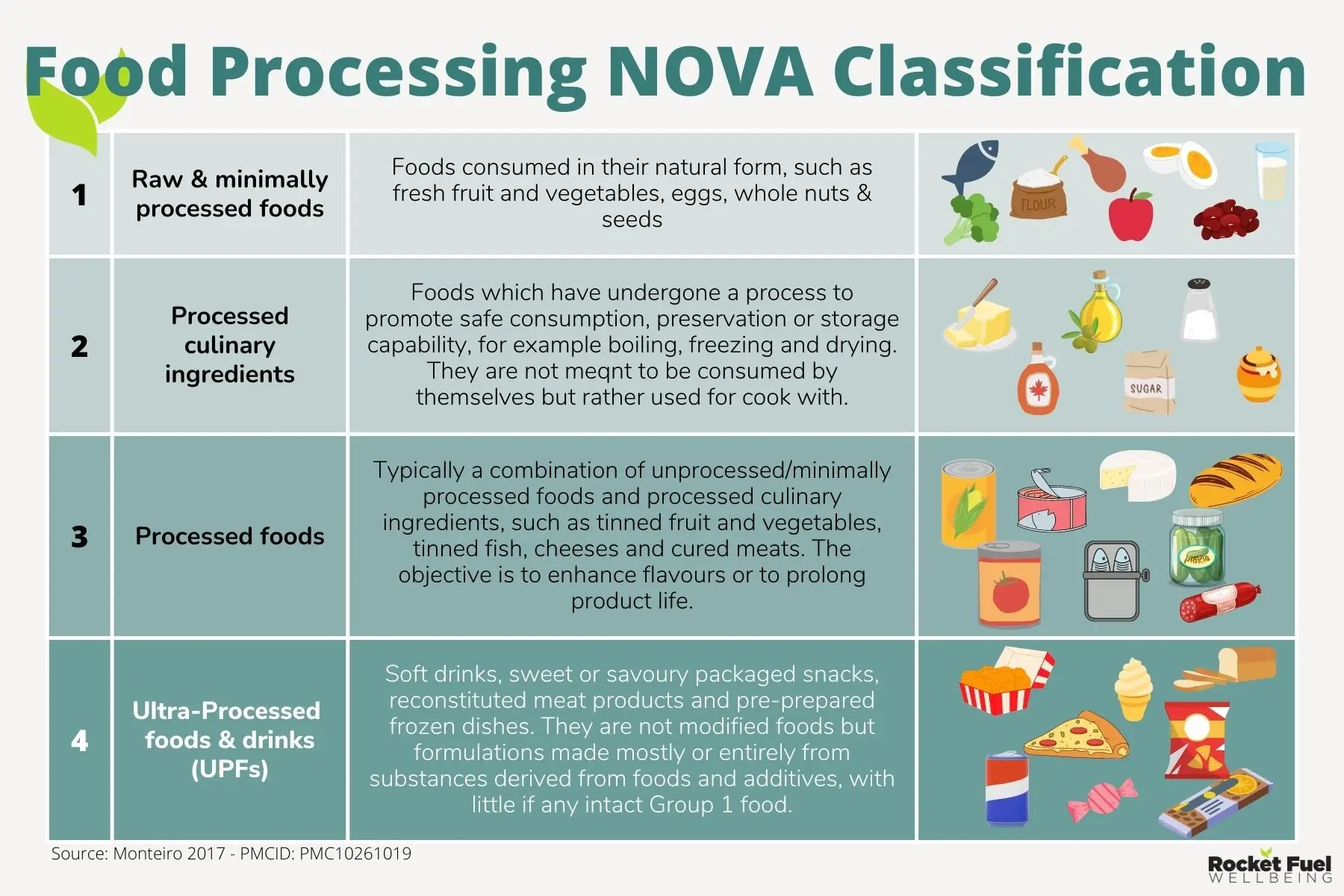
Food scientists and researchers use a four-tiered classification system called Nova to categorize foods based on their degree of processing – from unprocessed to ultra-processed. The classification does not take nutrient composition into consideration.
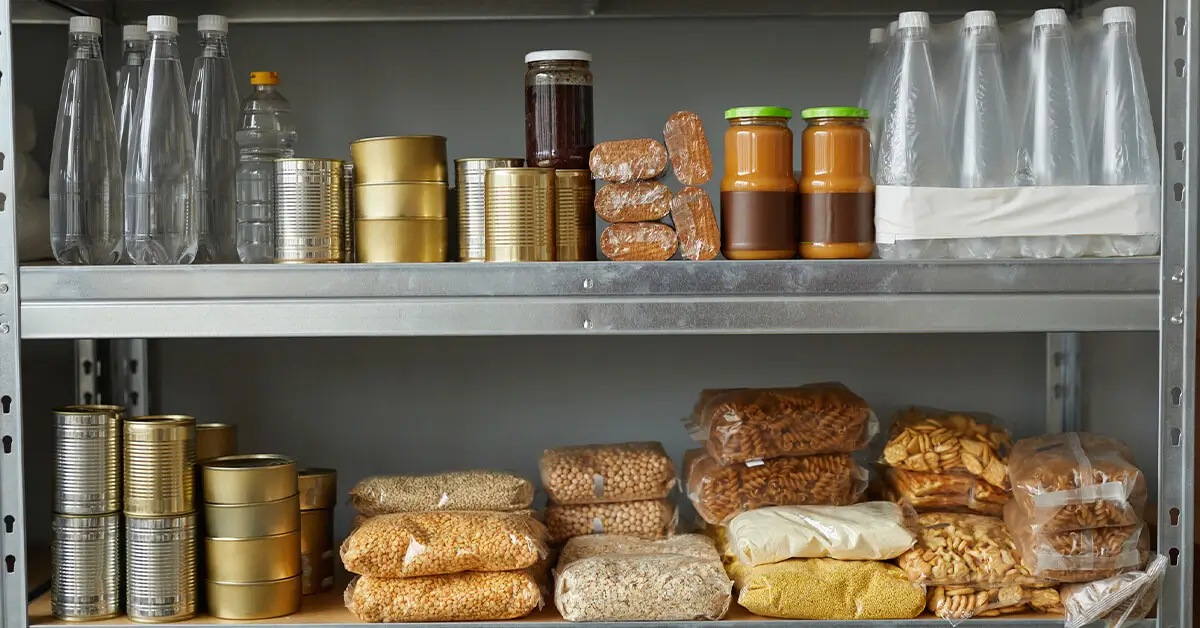
Food processing includes washing, peeling, chopping, blanching, heating, milling, freezing, flaking, drying, mixing, blending, molding, coating, foaming, whipping, shaping, freeze-drying and fermenting. The purpose is to ensure food safety, increase shelf-life, enhance palatability, and, in many cases, to improve nutrient bioavailability.
A perfect example is Lycopene. Intake of Lycopene from food sources has been associated with a reduced risk of prostate cancer. While found in tomatoes, this important phytochemical is not well-absorbed until the tomato is processed into tomato paste or ketchup.
What is it about ultra-processed foods that is such a risk to our health? If you answered added sugar, salt, fat and refined flour, you are right, but this is directly related to “formulation” and not “processing”.
Contact Us
Processing and formulation are distinct entities in the food industry. To understand the difference, think about a recipe: there is a list of ingredients (sugar, butter, flour, vanilla, salt, eggs, chocolate chips) and there are directions (cream butter and sugar together, add eggs and vanilla, incorporate flour and salt, fold in chocolate chips, drop by rounded spoonful on ungreased cookie sheet and bake at 350 degrees for 12 minutes). The ingredients are the “formulation”, and the directions are the “processing”.
Not all ultra-processed foods are unhealthy. Whole grain breakfast cereals, soy burgers, commercially made hummus, commercially made bread, fruited yogurt, protein bars and infant formula are just a few of the foods that fall into this category. Tube feeding formulas and liquid nutrition supplements that many people rely on for nutrition support are also included here.
Remember how empty grocery shelves were during the height of COVID? There is a reason our grandparents and great-grandparents canned summer fruits and vegetables, and stored root vegetables in cold cellars under the house. The limited fresh produce available at your grocery store right now has either come from cold storage or been imported from outside the continental United States. Without food processing for preservation, we would not have a sustainable food supply. There is no standardized, consensus-driven, formal definition for “ultra-processed” food. And here lies the problem: the DGA will drive U.S. food and nutrition policy for the next 5 years. This will affect school nutrition, SNAP, WIC, and food service regulations for hospitals, nursing homes, assisted living facilities, daycare centers and programs that feed our seniors, like congregate dining sites or Meals on Wheels. We need a single official definition for policy development across multiple agencies to ensure consistency and consumer understanding. The original Food Guide Pyramid was eliminated in 2012 because it was confusing for many Americans. The European Union and other countries worldwide choose food guidance systems based on limiting the intake of added sugar, salt, and fat. This information is already readily available on the Nutrition Facts Panel of every packaged food in the U.S. Not only is this approach based in science, but consumers can easily understand and use it to guide food purchases. MyPlate also remains a practical tool for assembling healthy meals for your family. For now, the DGA inverted pyramid will just add noise to the nutrition misinformation we are subjected to daily. Avoiding ultra-processed foods completely is often neither realistic nor necessary. We should be concerned about ingredients added to our food, but until distinctions are made utilizing formulation rather than degree of processing, UPF is a term that I will not be using. It is just too confusing. I will continue to advise that we limit our intake of added sugar, salt, and fat by following the guidelines provided by the American Cancer Society and the American Institute of Cancer Research. The debate around the 2025-2030 DGA and the role of UPF will likely continue for some time. It is important to note that the original committee appointed in 2023 is not the author of the current DGA recommendations. In just two years, a new committee will be appointed to begin reviewing research and drafting the 2030-2035 guidelines. Regardless of the outcome, I think that Michael Pollan said it best: “Eat food, not too much, mostly plants.”